Every job below is one we do ourselves across Antioch.
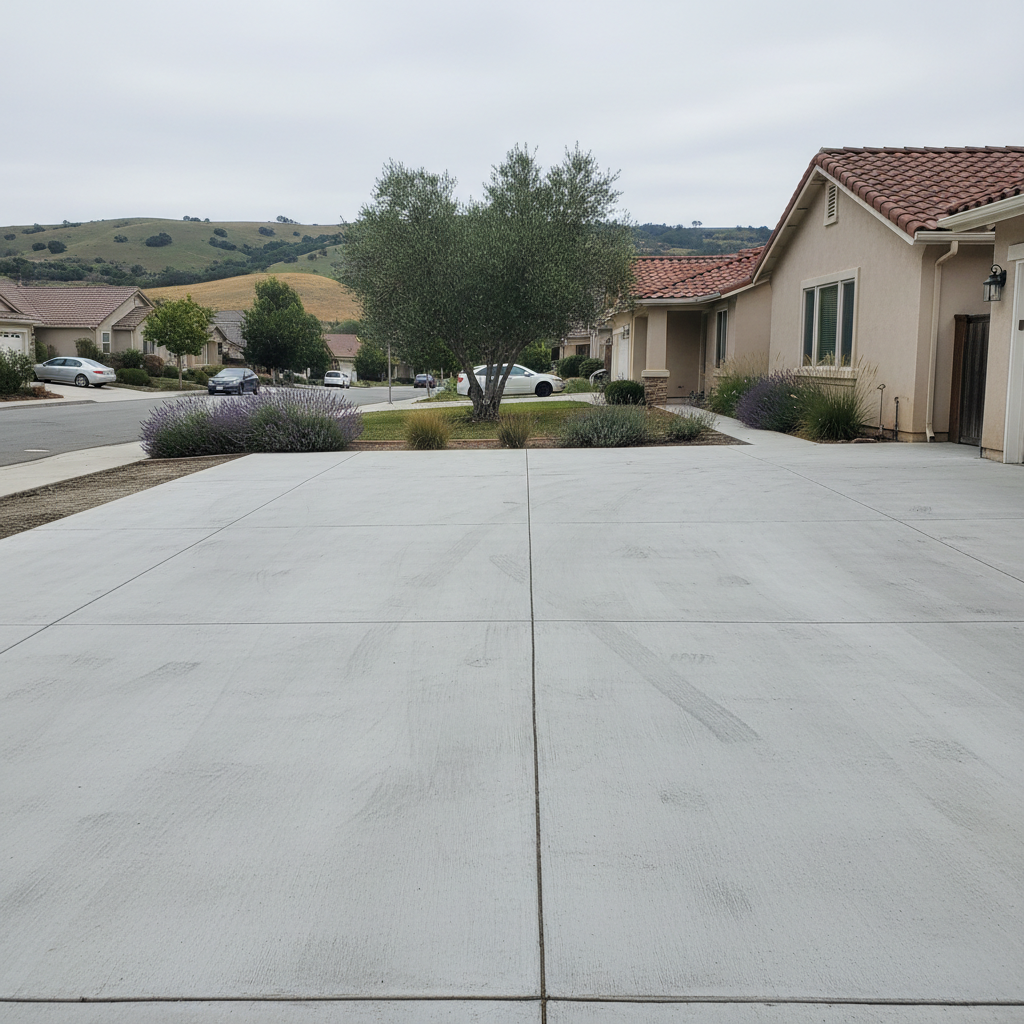
A driveway takes more abuse than any other slab on your property, tires, weight, heat, and whatever gets tracked in off the street. We pour a minimum of 4 inches over a compacted aggregate base, use rebar instead of mesh on anything that'll see a vehicle, and saw-cut joints the same day to control where it cracks. Broom finish is standard for traction, we can also do a stamped or exposed aggregate driveway if you want something besides plain gray.
Patios don't carry vehicle weight, so the spec is lighter, but drainage still has to be right or you'll get standing water against your slider. We pitch every patio slab away from the house, typically a quarter inch per foot, and finish it broomed, stamped, or exposed aggregate depending on what you want to look at for the next twenty years.
Stamped concrete gets you the look of flagstone, slate, or brick pavers without the joints that grow weeds and shift over time. Timing matters more here than on a plain slab, the concrete has to be at the right stage of set before we press the pattern in or the texture comes out shallow. We seal it after curing, and reseal every few years is a good idea depending on sun exposure.
Cracked, sunken, or spalling concrete usually has a cause underneath it, soil movement, a bad original base, or water finding its way under the slab. We'll tell you if it's a patch, a mudjack, or a full tear-out before we quote it, patching a slab that's going to keep sinking just wastes your money twice. Surface spalling and pitting we can usually resurface instead of replacing.
A walkway that's heaved or tilted even half an inch is a trip hazard, and most cities will cite you for it along a public sidewalk. We re-pour to grade, tie new sections into existing ones where it makes sense, and match the control joint spacing so the finished walk reads as one job, not two.
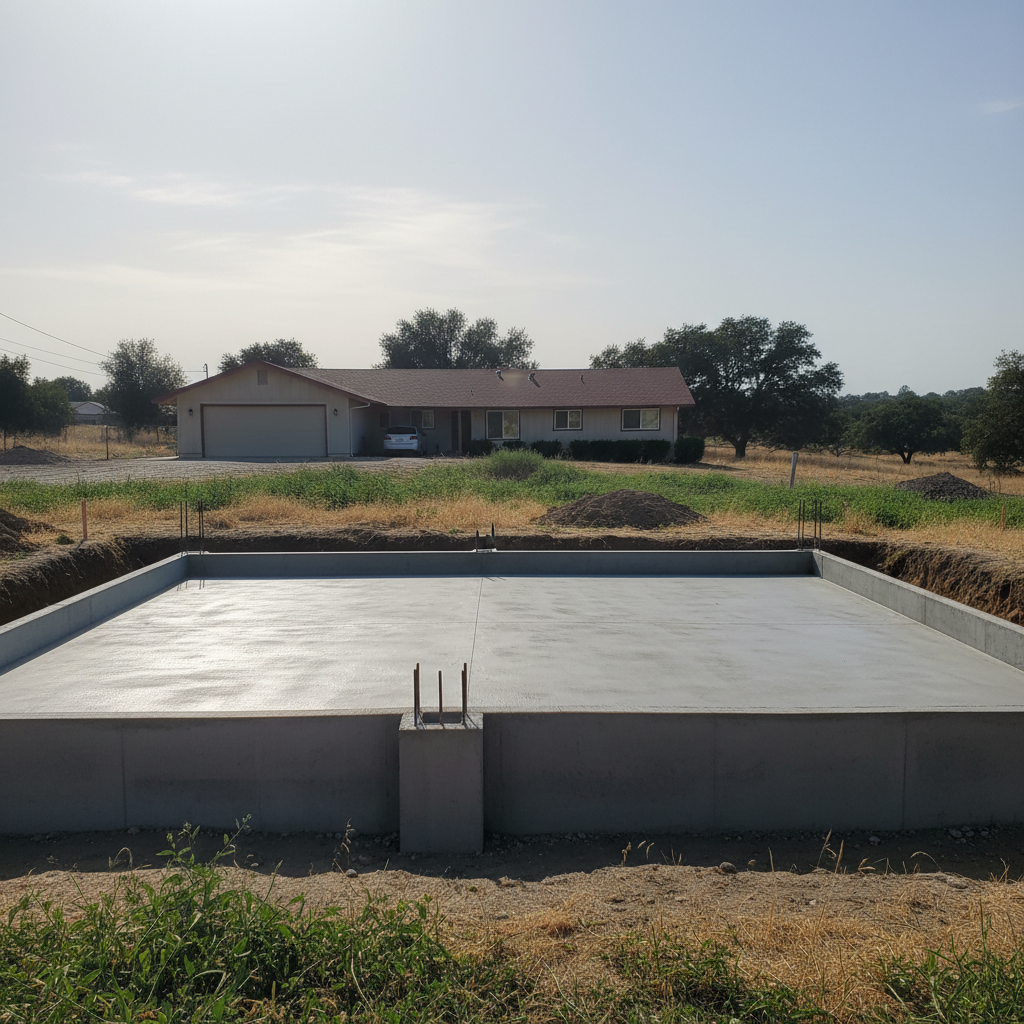
Footings carry the load above them, so depth, width, and rebar placement get checked against the structural plan, not eyeballed. We pour footings for additions, sheds, retaining walls, and stem walls, and we pull the permit and get the inspection before we backfill, because covering a footing nobody inspected is how you end up with a problem you can't see until the wall above it starts cracking.
Steps have to come out at a consistent rise and run or someone's going to catch a toe on them. We form and pour steps and porches to match the house grade, finish them with a broom or a stamped pattern, and pitch the top landing so water runs away from the door instead of toward it.
A retaining wall is holding soil back, not just sitting in front of it, so drainage behind the wall matters as much as the concrete in front of it. We install weep holes or a drain line behind block and poured walls so water doesn't build up and push the wall out over a wet winter.
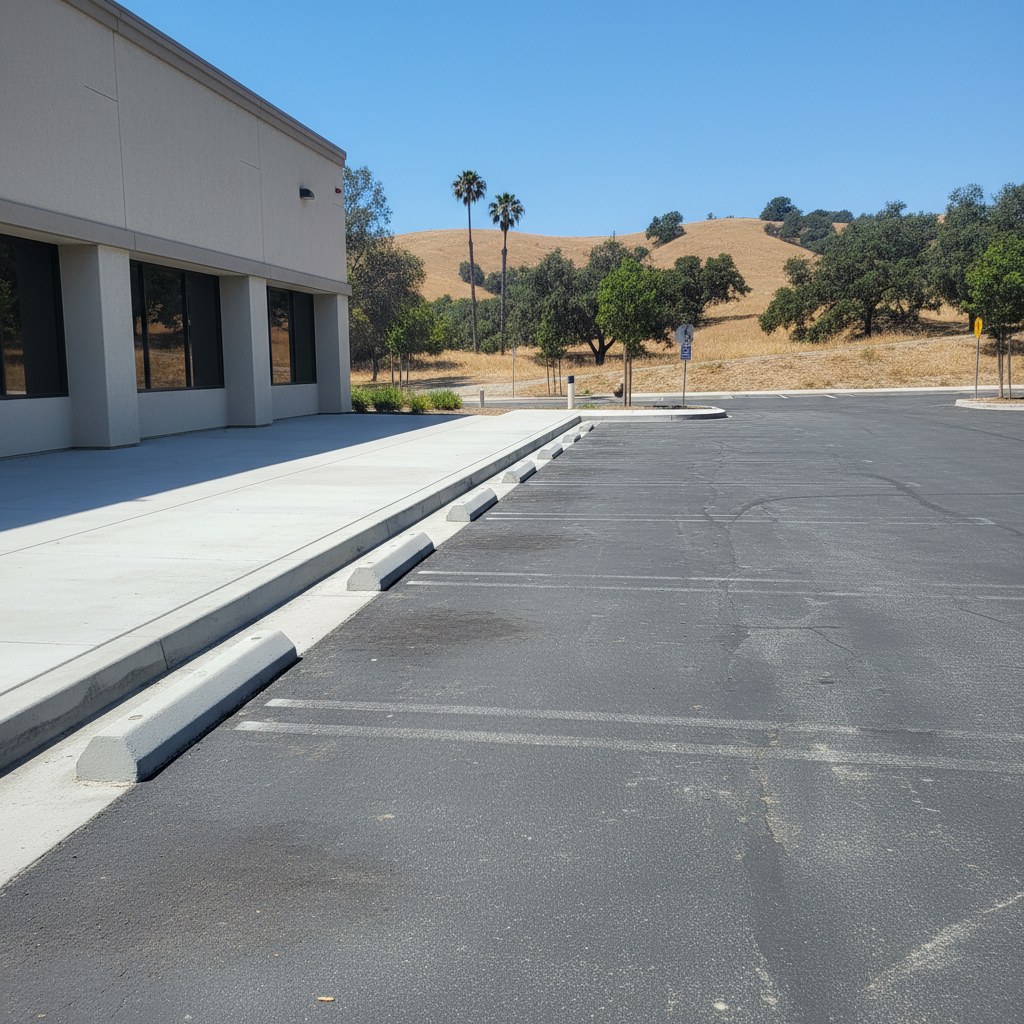
Garage slabs and equipment pads need a flat, properly cured surface before anything heavy sits on it, a car, a shed, an AC unit. We grade and compact the base first, since a soft spot under a garage slab is what causes the crack you see three years later.
Exposed aggregate gives you a textured, slip-resistant finish by washing off the top layer of cement paste before the stone underneath sets up. It's a good call for pool decks and driveways where plain broom finish gets slick when it's wet, and it holds up well to the sun without fading the way some stains do.
Four steps, and no surprises in any of them.
You tell us what you want doing, we look at what is actually there, and we ask the awkward questions early.
In writing, itemised, free. If something might add cost later we flag it now rather than at the end.
Same crew throughout. We cover your floors, keep the dust down and tidy up before we leave each day.
You point out anything you are not happy with and we fix it before the invoice, not after.
Where this concrete work gets done, Antioch and the towns around it.
Questions that come up once a project's actually underway.
Describe the problem and we will tell you what it probably is. No obligation.